Army, Weapons & War Strategy

Women’s Regiment

The Brave Women Who Fought Beside Rani Lakshmi Bai

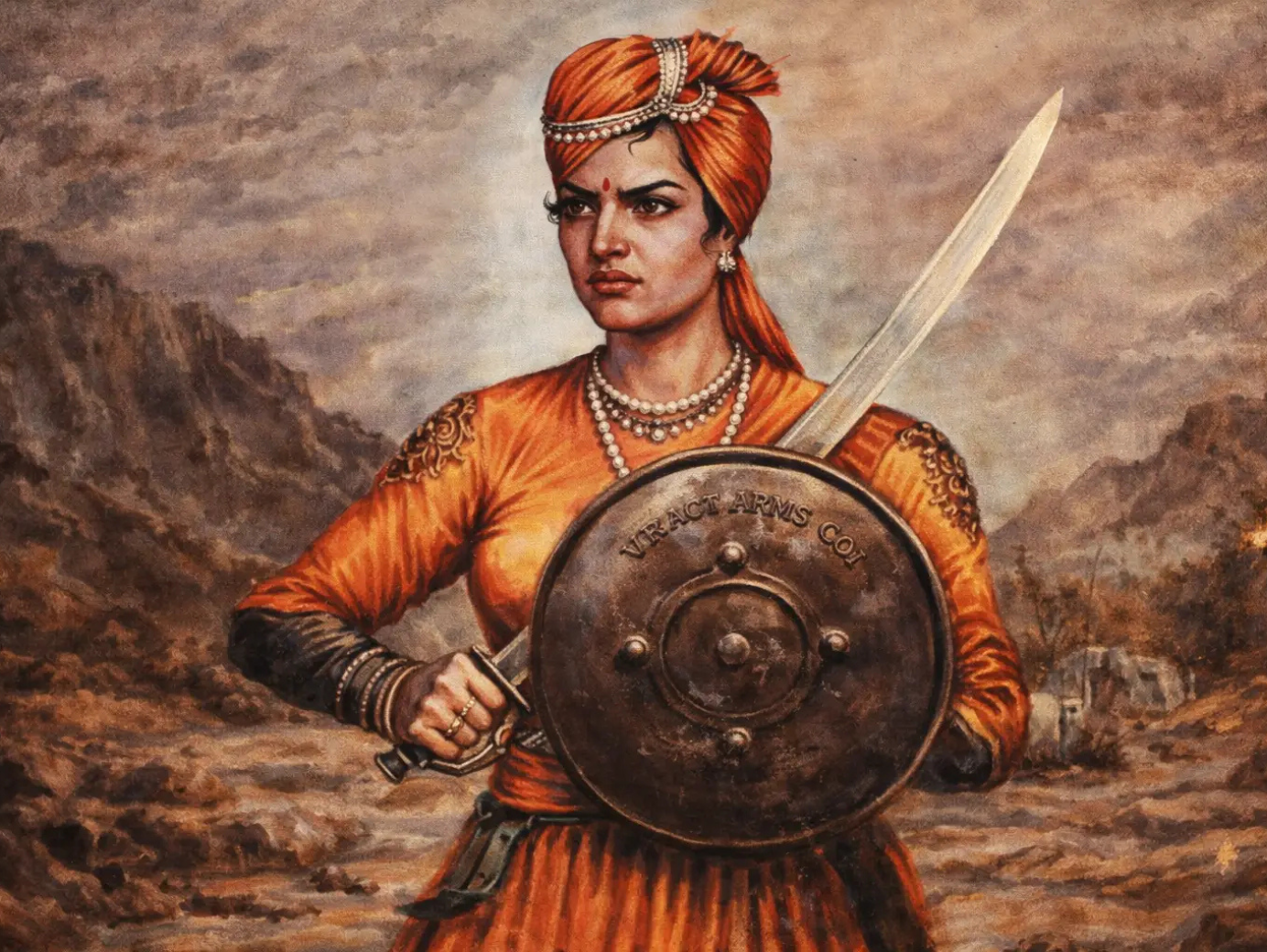
Jhalkari Bai

Commander – Durga Dal (Women’s Battalion)

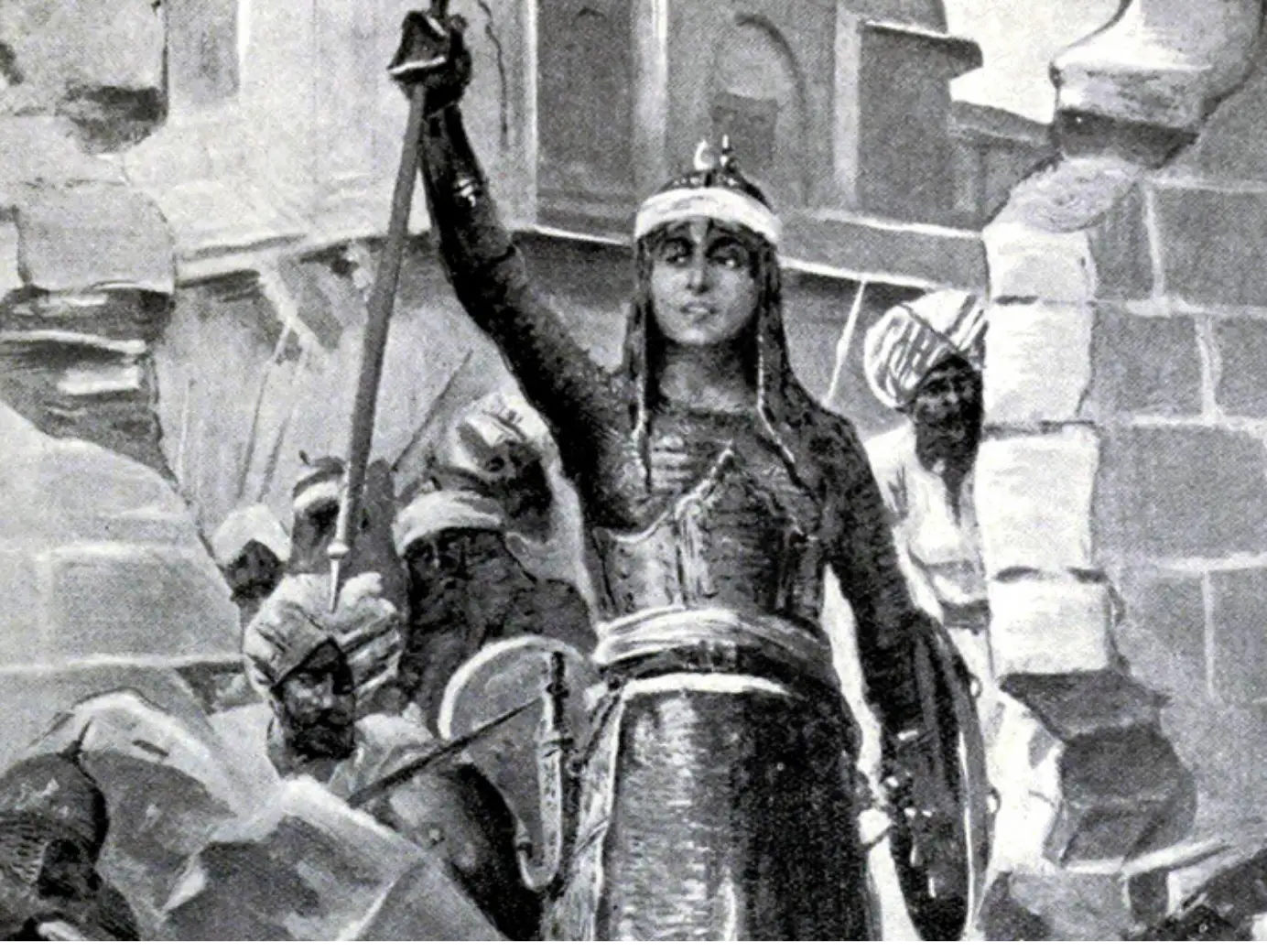
A fearless warrior who resembled Rani Lakshmi Bai, Jhalkari Bai played a crucial role in confusing the British forces by fighting in disguise as the Queen. Her strategic bravery saved the Jhansi army.

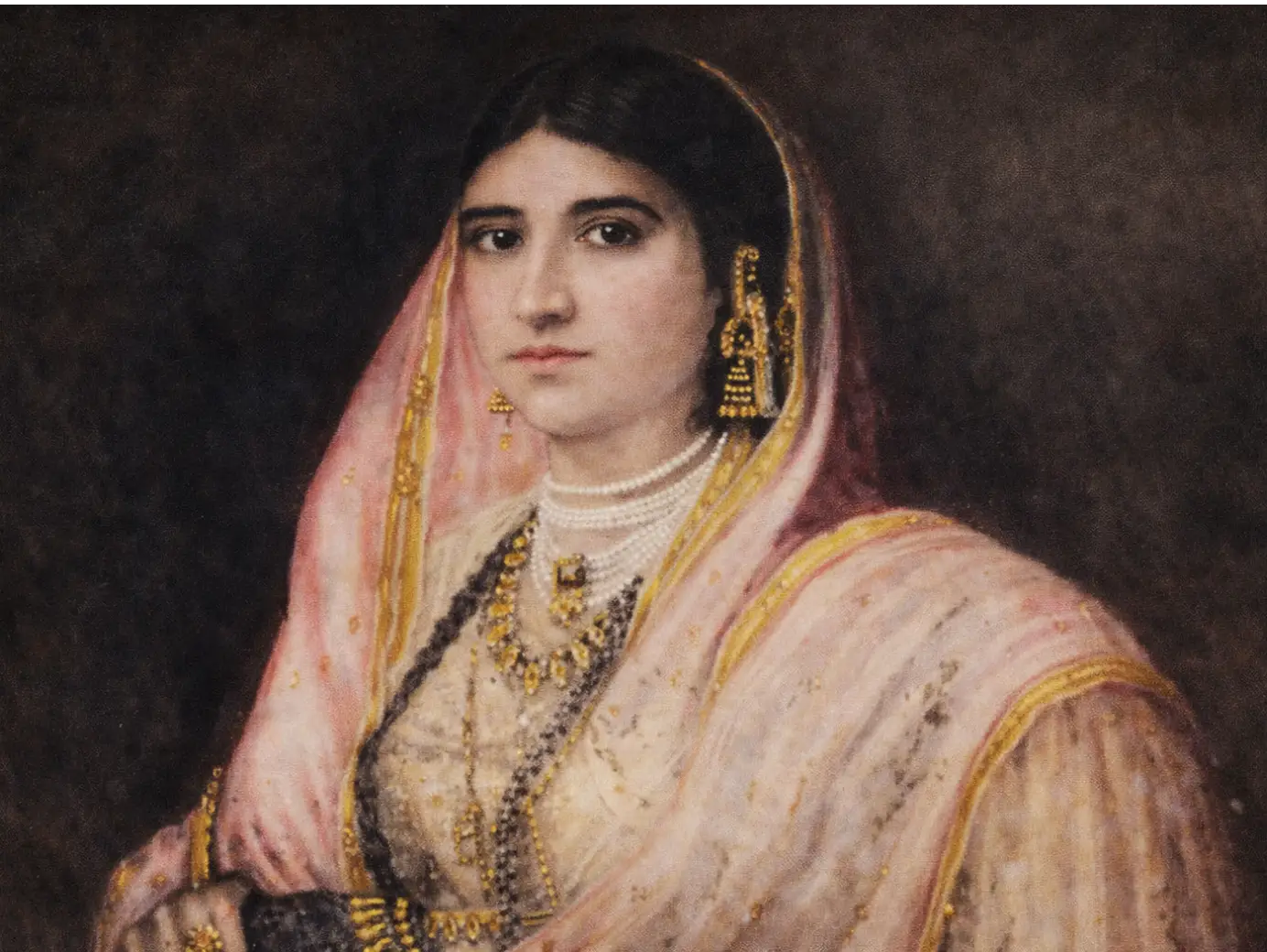
Chand Bibi

Elite Guard – Inner Fort Protection

Known for her unmatched archery skills, Chand Bibi protected the inner gates of Jhansi Fort and led a team that countered British advances during the siege.

Sundari & Mundari

Twin Warriors – Sword & Spear Specialists

These famed twin fighters fought in perfect coordination, striking fear into British troops. Their synchronized attacks were legendary in the Women’s Regiment.

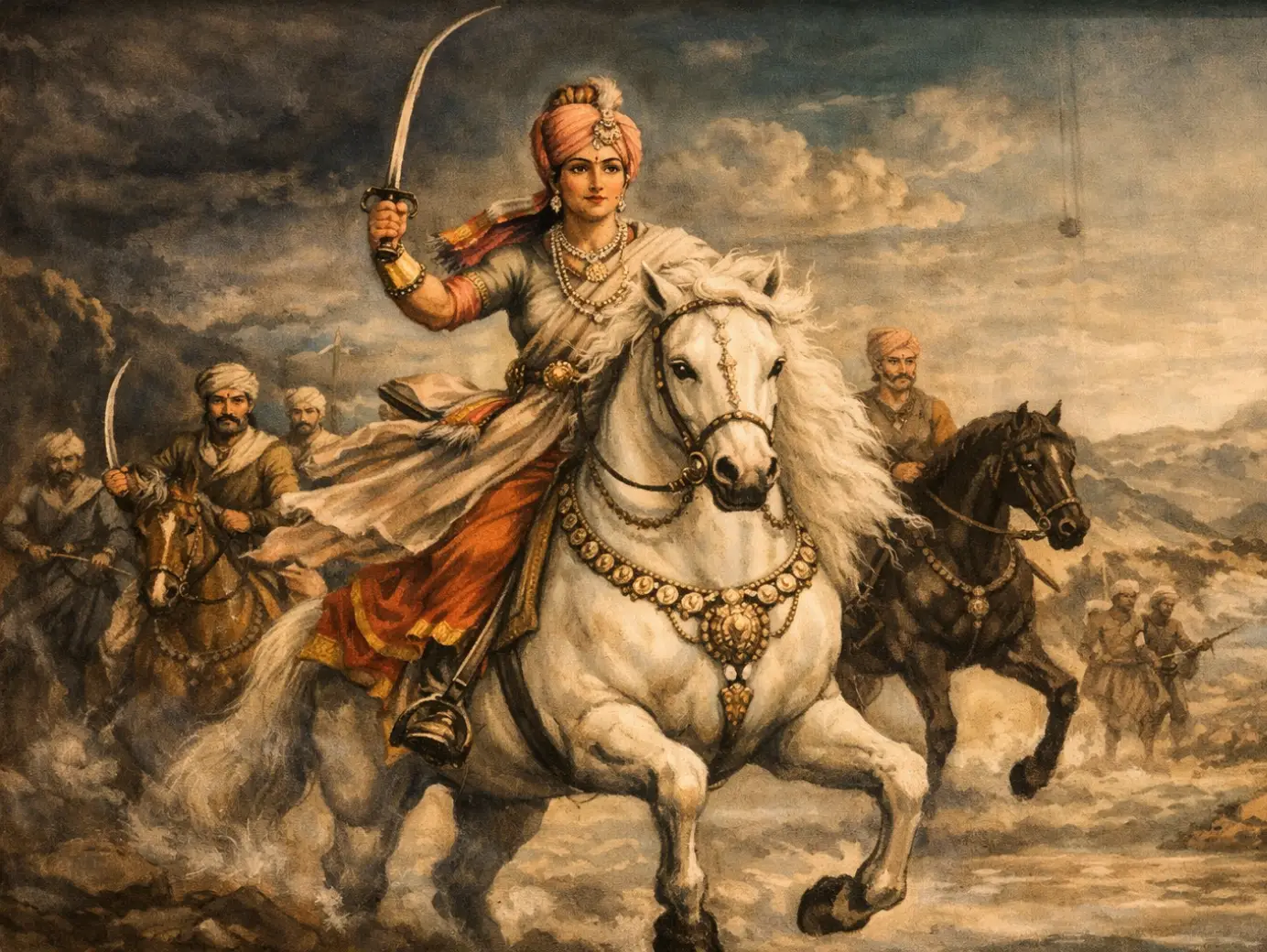
Moti Bai Tamoli

Frontline Rider – Cavalry Unit

A swift rider and courageous fighter, Moti Bai rode beside Rani Lakshmi Bai during multiple battles, delivering messages and leading cavalry charges.

Kashi Bai

Fort Defender – Artillery Assistance

Skilled in cannon loading and fort defense tactics, Kashi Bai managed artillery units that protected the ramparts of Jhansi Fort.

Major Generals & Advisors

The Strategic Leaders Who Guided the Queen’s Resistance

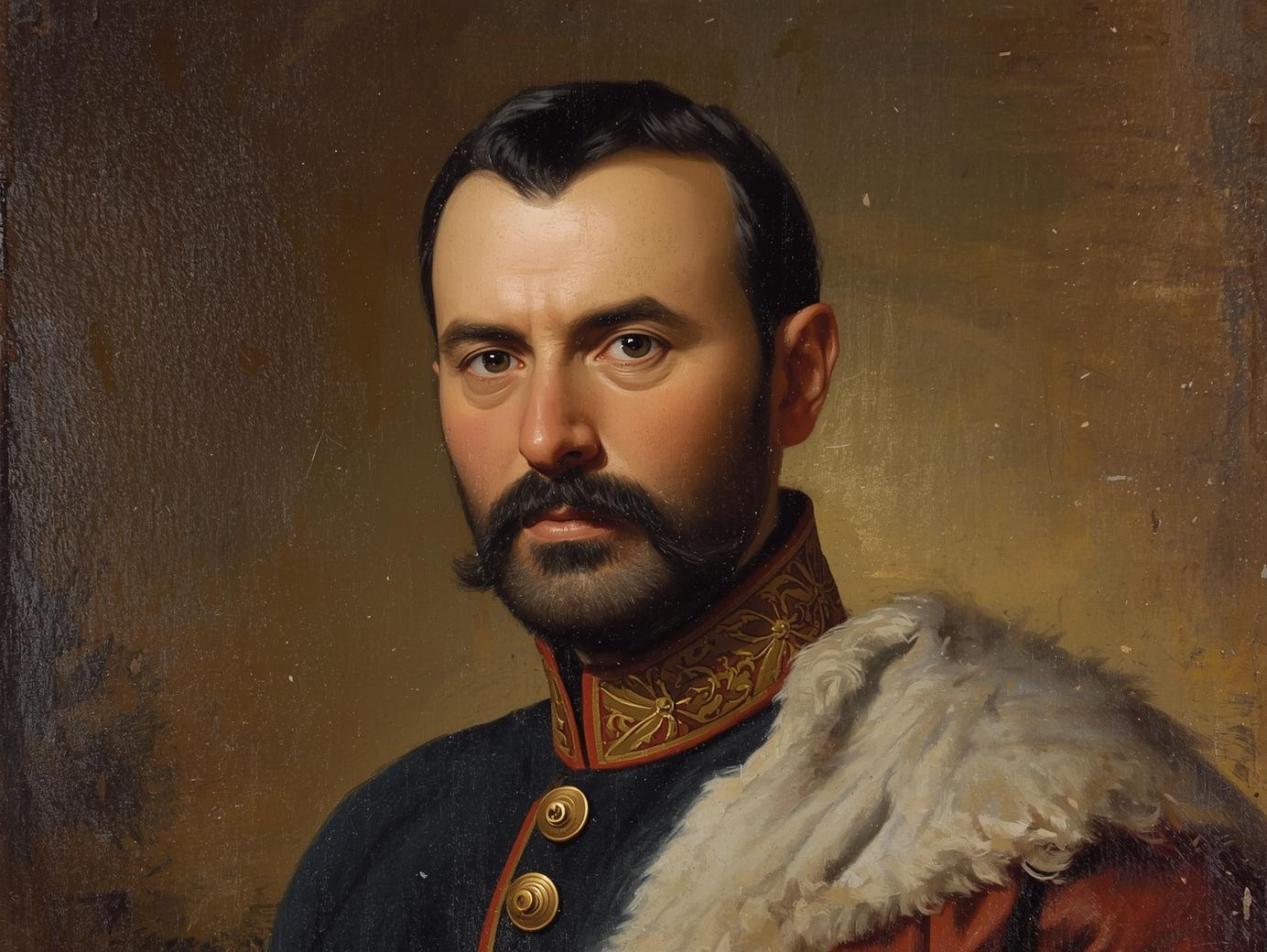
Tatya Tope

Chief Military Strategist

One of the finest generals of the Indian Rebellion of 1857, Tatya Tope coordinated troop movements, engineered surprise attacks, and supported Rani Lakshmi Bai during the escape from Kalpi and the campaign toward Gwalior.

Raja Mardan Singh

Advisor & Loyal Ally

The ruler of Banpur and a trusted ally of the Queen, Raja Mardan Singh provided strategic advice, resources, and troops. His understanding of Bundelkhand terrain was crucial during the fort defenses.

War Horse “Badal”

The Legendary Stallion of Rani Lakshmi Bai

The Queen’s Fiercest Companion

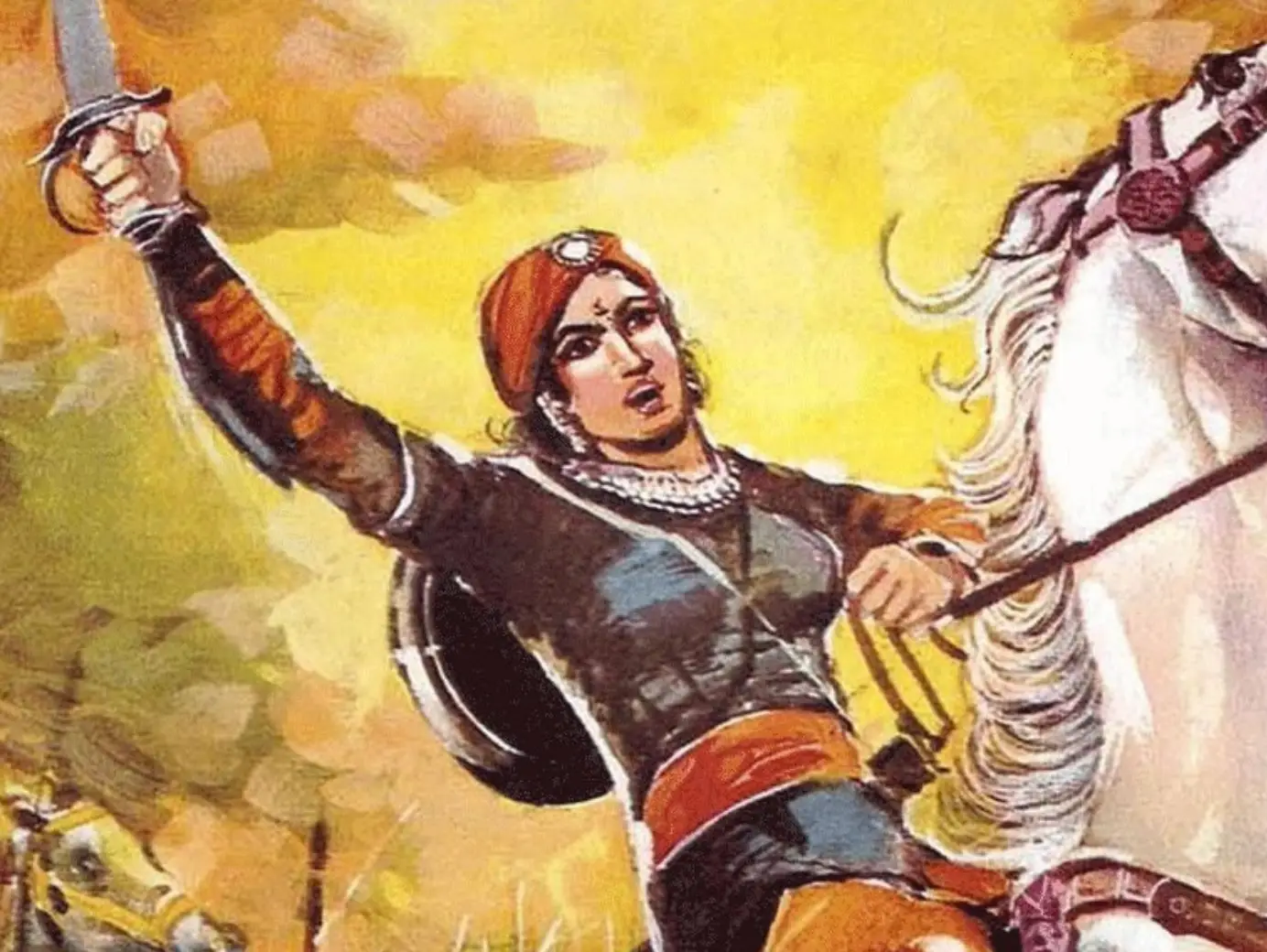
Badal, the majestic stallion of Rani Lakshmi Bai, was known for his unmatched strength, speed, and loyalty. He carried the Queen across dangerous terrains and charged fearlessly into battle.

The Legendary Leap

During the siege of Jhansi, Badal performed the historic jump from the fort battlements, helping the Queen break through enemy lines and escape an encirclement that could have ended the rebellion prematurely.

Role in Key Battles

From the Defense of Jhansi to the escape toward Kalpi, Badal stood at the forefront of every charge. His speed helped relay messages, move troops, and position the Queen strategically during combat.

A Bond Beyond Battle

Badal’s loyalty went beyond warfare. Chronicles describe the horse as deeply attuned to the Queen’s commands—responding instantly, even amid chaos, smoke, and cannon fire.

Weapons Used

Arms of the Jhansi Warriors & Rani Lakshmi Bai

Sword Types

The warriors of Jhansi used curved talwars, straight-edged khandas, and lightweight riding swords. Rani Lakshmi Bai excelled in dual-wielding, allowing rapid close-combat strikes and agile horseback fighting.

Shields

Round dhal shields made of iron, steel, or leather reinforced with metal bosses were commonly used. They were light enough for mobility but strong enough to deflect swords, arrows, and small firearm shots.

Spears

Spear units were a crucial part of the Jhansi army. Warriors used long bamboo spears, steel-tipped lances, and short thrusting spears for both infantry formations and cavalry charges.

Pistols

Flintlock and percussion-cap pistols were used by elite soldiers. Rani Lakshmi Bai was trained in mounted pistol shooting, often combining swordsmanship with precise firearm use.

Leadership Style & War Ethics

The Principles That Defined Rani Lakshmi Bai’s Command

Visionary & Inclusive Leadership

Rani Lakshmi Bai’s leadership was rooted in unity. She brought together warriors, civilians, nobles, and commoners under a single purpose—defending the honor and sovereignty of Jhansi. Her decisions reflected fearlessness, clarity of purpose, and unwavering determination.
High Discipline & Tactical Training

She emphasized organized drills, horseback mastery, and weapon handling. Her army, including women regiments, trained rigorously to maintain battlefield discipline even under intense pressure.

War Ethics & Humanity

The Queen maintained strict codes of conduct—never harming civilians, protecting women and children, and respecting the wounded on all sides. She believed that a just cause required just actions.

Justice, Equality & Fair Treatment

Her rule promoted fairness. Soldiers were rewarded based on merit, civilian grievances were addressed promptly, and the poor received support and protection from exploitation.

Strategic Decision-Making

During sieges and shifting battle scenarios, she adapted quickly— repositioning cavalry, reorganizing defenses, and coordinating with allies. Her foresight helped Jhansi withstand prolonged assaults.

Leading From the Front

Unlike many rulers, she fought alongside her soldiers— mounted on her horse, swords in hand, inspiring courage and loyalty. Her presence on the battlefield uplifted morale and strengthened unity.

Scroll to Top